| Botanical Name |
|
| Family |
Fabaceae - The legume and pod-bearing family. (Pea & Bean Family) |
| Pronunciation |
|
| Common Name(s) |
English: Sweet Thorn; Cape Thorn Tree; White-thorn
Afrikaans: Soetdoring; Karoodoring; Witdoring
Sesotho sa Leboa: Mookana
|
| Plant Group |
- Tree A woody, self-supporting perennial plant usually with a single main stem and generally growing more than 6 meters tall.
|
| Plant Size |
- Small
| Tree | 4m to 8m |
| Shrub | 50cm to 75cm |
| Perennial/ground cover | 10cm to 20cm |
| Bulb | 20cm to 30cm |
| Succulent | 10cm to 20cm |
- Very Small
| Tree | 3m to 4m |
| Shrub | 25cm to 50cm |
| Perennial/ground cover | Up to 10cm |
| Bulb | 10cm to 20cm |
| Succulent | Up to 5cm |
|
| Position |
- Sun The area is in full sun for all or most of the day, all year round.
|
| General Information |
- Drought Tolerance: High The plant is well adapted to arid conditions; it can survive long periods of drought and high temperatures without extra water.
- Evergreen to semi-deciduous The plant is evergreen in warmer, wetter parts of the country, but may lose some of its leaves during winter in colder, drier situations.
- Fragrant / Aromatic These plants posses a strong, usually pleasant odour.
- Frost: Hardy The plant can withstand freezing temperatures or frost without artificial protection.
- Roots Invasive Do not plant near pools, paving, walls or buildings.
- Thorns / Spines / Prickles Thorn: A hard, woody, pointed branchlet.
Spine: A modified leaf forming a hard, sharp-pointed outgrowth.
Prickle: A small, sharp-pointed outgrowth growing from the bark of the plant.
- Water Wise Plant species originating from low rainfall regions that require less water to survive and thrive than other plant species.
- Wind Tolerant Plants able to withstand the effect of strong winds.
|
| Specific Information |
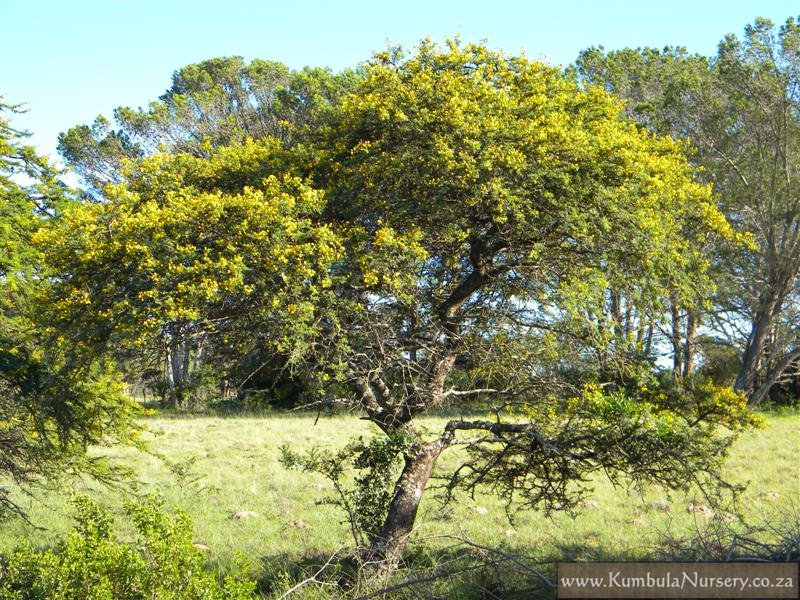
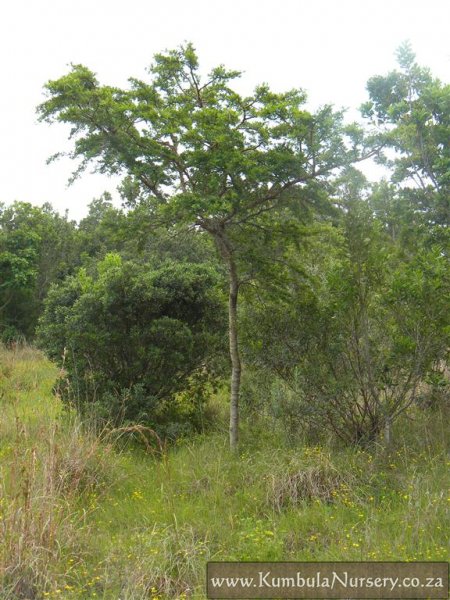
Vachellia karoo has many white, paired thorns, occasionally attaining lengths of 20 cm. At least eleven varieties of butterfly larvae depend on the Sweet thorn for survival. Depending on the climate, Vachellia karoo varies from a thorny shrub to a reasonably tall tree.
|
| Ad Break |
|
| Flowers |
| Description |
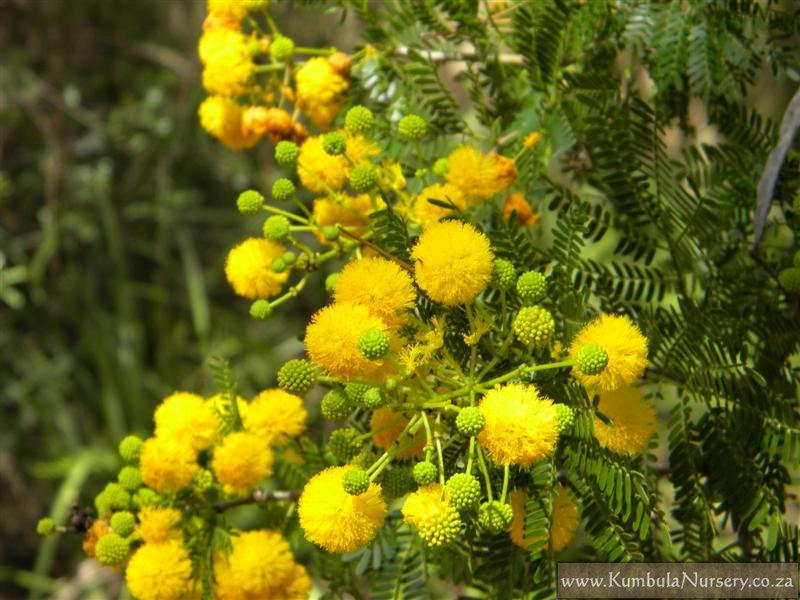
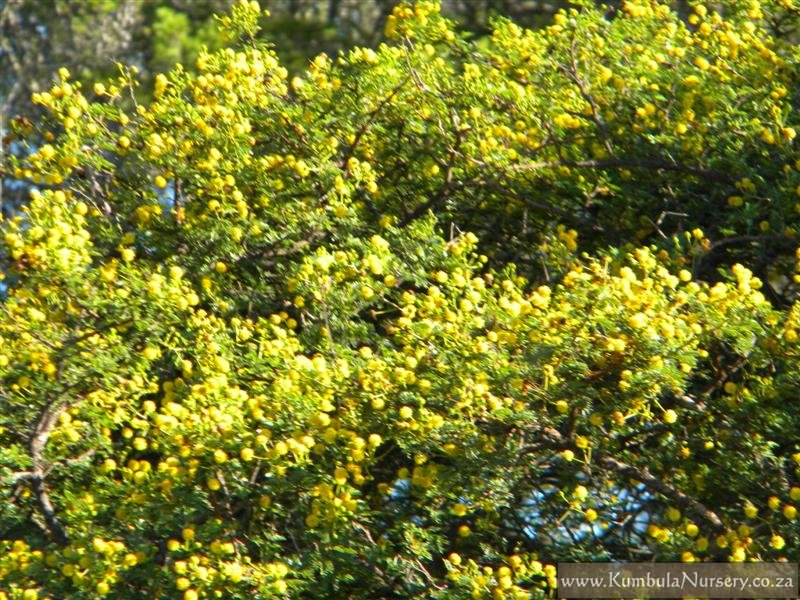
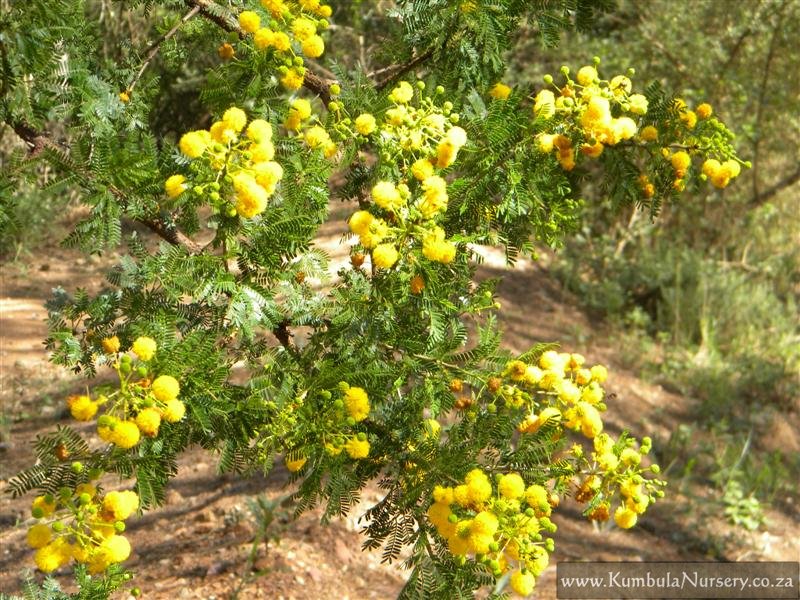
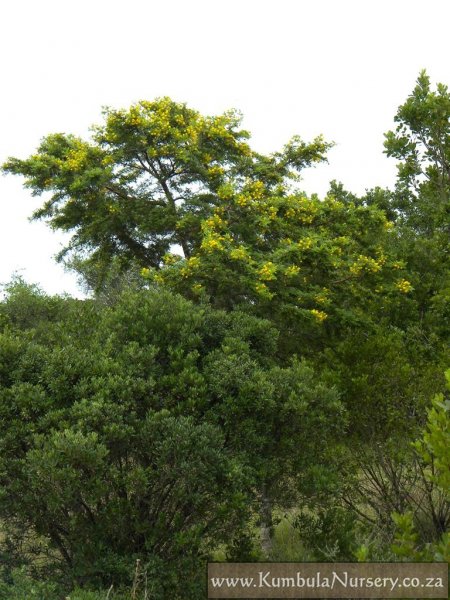
scented, fluffy heads the size of a pea, in great profusion
|
| Season |
- Summer Plants will seldom bloom for the entire season as given in the list, but should flower during a period within these parameters.
|
| Colour |
|
| Growth Rate |
- Fast Specifying growth rate can be very misleading as there is considerable variation of growth rate depending on type and species of plant, available water, supplementary feeding, mulching and general care, as well as the plants suitability and adaptability to the garden environment.
|
| Plant Uses |
- Attracts bees, butterflies or other insects This plant attracts insects which can be food for birds or other creatures in your garden.
- Attracts Birds This plant will attract birds.
- Barrier Plant A very thorny shrub, tree or scrambler that can be used to create an impenetrable barrier.
- Boundary A plant useful for planting around the edges of the property to form a green or colourful backdrop, an impenetrable hedge, to hide walls or create privacy.
- Pioneer for new gardens A very fast growing plant, able to withstand hardship, that can be used to populate land that has recently been cleared of natural vegetation. These plants pave the way for slower-growing species by adding nutrients to the soil and creating leaf litter.
- Provides light / dappled shade A tree with an open to sparse canopy, through which varying degrees of sunlight can penetrate.
- Rock Garden An area constructed of larger rocks, arranged naturally, to emphasise the use of stones as a main element. Generally plants used do not need a lot of care.
- Suitable for bonsai A shrub or tree that lends itself to being dwarfed.
- Suitable for coastal gardens Plants adapted to dry, sandy soil, forceful wind, limited rainfall and intense sunlight.
- Wild Garden An indigenous garden planted for the benefit of wildlife and birds. Provides food, water, a variety of mini-biomes and no poisonous chemicals are used.
|
| Distribution and Habitat |
in all provinces of South Africa, and north to Zambia and Angola, in most habitat types
|
| Planting Suggestions |
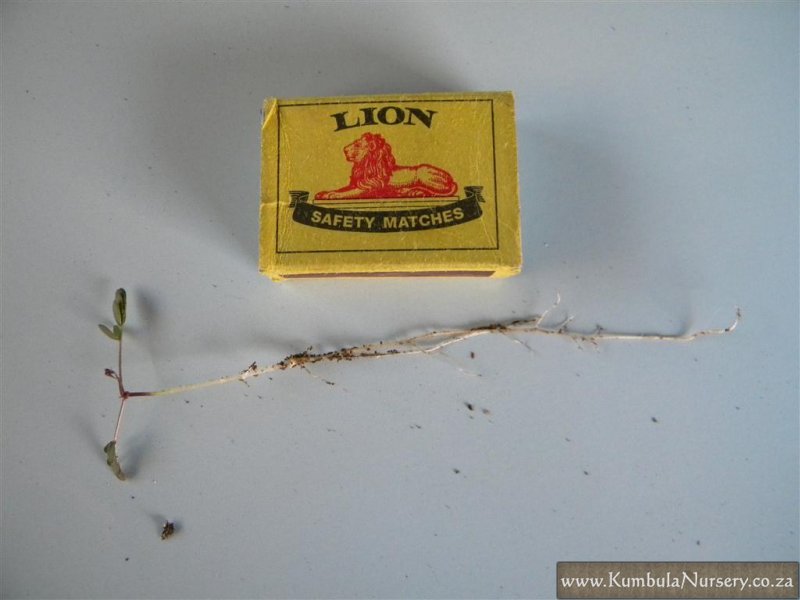
This is a difficult tree to keep in bags as the tap root is very long and the plant quickly becomes stunted. Vachellia karoo is not fussy about soil types. Water weekly until established, then fortnightly for the first year. After this, the tree can be considered water wise.
The old method of digging a deep hole and filling it with soil and compost has resulted in many trees failing to thrive, dying, rotting at the base or worse still, falling over in later years due to poor root development. Refer to the following sites for the best method of planting trees:
Treehelp.com: Planting a tree
International Society of Arboriculture: New Tree Planting
Tree People: Plant the right way
For those of you who have a clay problem try:
Rod's Garden: Planting in clay soil
|
| Medicinal Uses |
An excellent fodder tree for game and livestock. Bark is used for tanning leather. The gum is edible with a slightly sour taste. The inner bark can be used for making very strong rope. A dilution of the gum is used as a mouthwash for thrush and the infused bark as a remedy for diarrhoea and dysentery.
|
| Ad Break |
|






Comments
acacia Karoo tree transplant
Hi,
I am building a house in the north of Johannesburg and regret cannot avoid a Acacia Karoo tree. It currently stands about 5m tall.
Would I be able to transplant it and move it about 12 m ???
If so, what would be the best way to do this ?
Transplanting Vachellia karoo
Hi Kenny
Vachellia in general do not transplant well and it is unlikely that the tree will survive and if it does, the shock of the transplant is likely to have a negative effect on the plant for years to come. However, if you wish to give it a try, there are a number of useful sites that you can use for reference. Google 'transplant large tree tap root'
It would probably be better to start with a fresh sapling. Vachellia karoo is a fast growing plant and if given some extra water and is well-nourished, you will have a strong young tree in about three years' time.
If, on the other hand, you decide to go ahead with the transplant, please keep in touch and let me know of your progress. First-hand experience is very valuable for others in the same situation.
Kind regards
Lorraine
Name?
Hello Lorraine,
Why do you call the Acacia Karoo a Vachellia?
Regards
Johann
Name change for Acacia
Hi Johann
Apologies for taking so long to reply to your question.
For the explanation, go to: http://kumbulanursery.co.za/blog/acacia-name-change-to-vachellia
Kind regards
Lorraine
Discuss this plant
Share knowledge, ask a question or give an experience.