| Botanical Name |
|
| Family |
Acanthaceae - The acanthus family. |
| Pronunciation |
bar-LEH-ree-uh ob-TOO-sah |
| Common Name(s) |
English: Bush Violet; South Coast Bush Violet
|
| Plant Group |
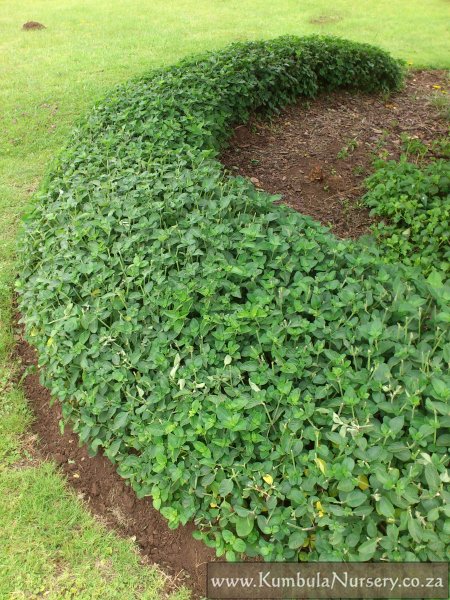
- Ground Cover A plant with a low-growing, spreading habit, grown specifically to cover the ground.
- Perennial A plant whose life cycle lasts for three or more seasons.
- Shrub A woody plant of relatively low height, having several stems arising from the base and lacking a single trunk; a bush.
|
| Plant Size |
- Small
| Tree | 4m to 8m |
| Shrub | 50cm to 75cm |
| Perennial/ground cover | 10cm to 20cm |
| Bulb | 20cm to 30cm |
| Succulent | 10cm to 20cm |
|
| Position |
- Canopy Shade Canopy shade is found below closely grown trees where some light filters through. Ideal for the protection of herbaceous plants.
- Dry Shade Shady areas where soil has poor water retention or are dependent on rain for their moisture needs.
- Light or Dappled Shade Found below trees with sparse, open foliage. Ideal for the protection of herbaceous plants.
- Partial Shade The area is in shade for part of the day and in full sun for part of the day.
- Sun The area is in full sun for all or most of the day, all year round.
|
| General Information |
- Drought Tolerance: High The plant is well adapted to arid conditions; it can survive long periods of drought and high temperatures without extra water.
- Evergreen Plants that have leaves all year round.
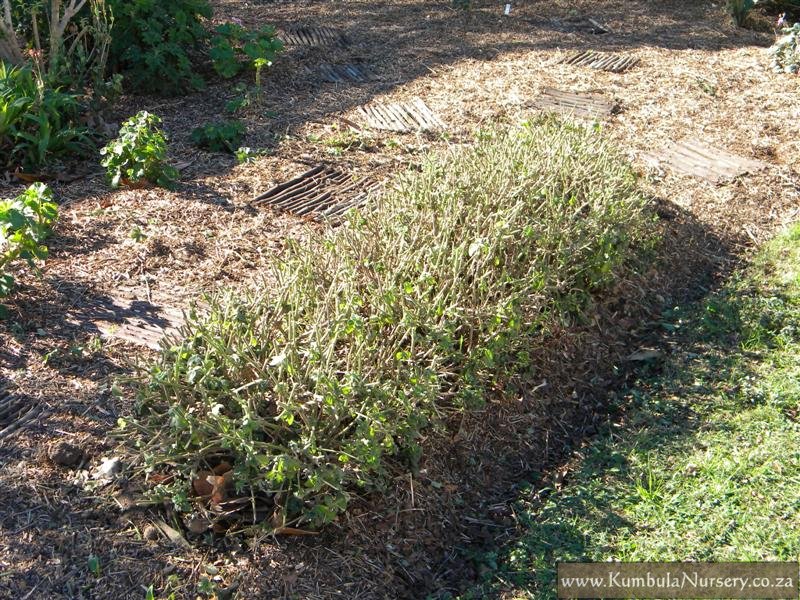
- Prune hard after flowering Fast growing shrubs that grow lanky within a season. Cut off branches and stems of these plants to a third of their original length. This will increase the yield of flowers, improve the plants shape and enhance the structural strength of main branches.
- Water Wise Plant species originating from low rainfall regions that require less water to survive and thrive than other plant species.
- Wind Tolerant Plants able to withstand the effect of strong winds.
|
| Specific Information |
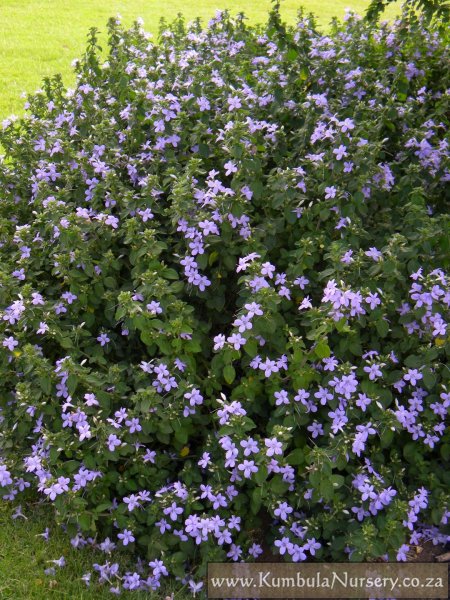
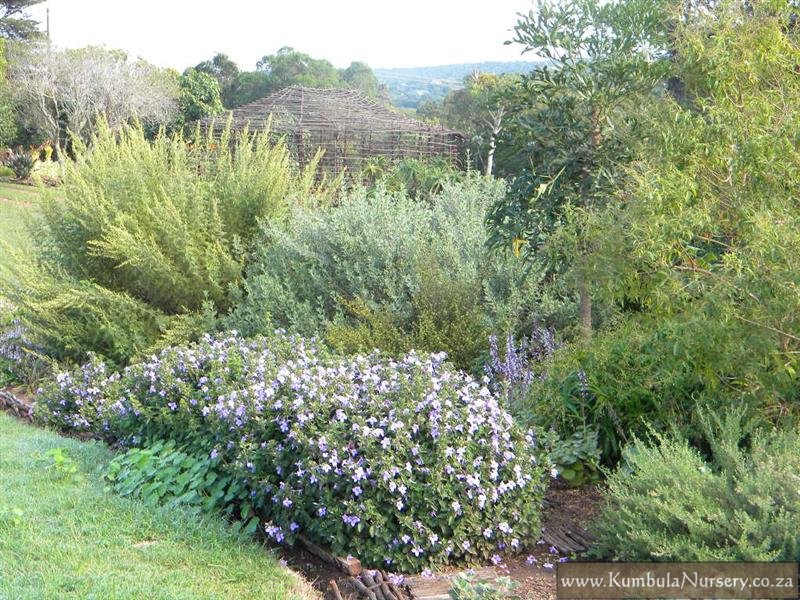
Plant size varies according to its growing environment: bushy in the sun and with long, sprawling branches in shady areas. Barleria obtusa is often much maligned as being untidy, but the small effort needed to shape this shrub is really worthwhile.
|
| Ad Break |
|
| Flowers |
| Description |
2-3cm across with five rounded petals
|
| Season |
- Autumn Plants will seldom bloom for the entire season as given in the list, but should flower during a period within these parameters.
|
| Colour |
|
| Growth Rate |
- Fast Specifying growth rate can be very misleading as there is considerable variation of growth rate depending on type and species of plant, available water, supplementary feeding, mulching and general care, as well as the plants suitability and adaptability to the garden environment.
|
| Plant Uses |
- Attracts bees, butterflies or other insects This plant attracts insects which can be food for birds or other creatures in your garden.
- Border A strip of ground, at the edge of a driveway or path in which ornamental plants or shrubs are planted.
- Boundary A plant useful for planting around the edges of the property to form a green or colourful backdrop, an impenetrable hedge, to hide walls or create privacy.
- Container Trees, shrubs and ornamental species that can adapt to growing in a restricted environment.
- Edging A low growing plant that provides softness or definition to the edges of a bed or walkway.
- Filler Either a fast growing tree or shrub used temporarily to fill in an area while the permanent plants grow to a desired size, or a plant used to fill gaps in borders or beds.
- Ground Cover Low-lying plants that spread fast, require minimal maintenance, and cover large expanses or bare areas between bulbs or shrubs. They provide protection from erosion and drought and improve the visual appearance of the garden.
- Hedge Suitable trees or shrubs planted relatively close together so that the branches intertwine to create a barrier. This can be formal – the plants are regularly trimmed to produce a neat shape, or informal – the plants are left to themselves to create a natural hedgerow.
- Pioneer for new gardens A very fast growing plant, able to withstand hardship, that can be used to populate land that has recently been cleared of natural vegetation. These plants pave the way for slower-growing species by adding nutrients to the soil and creating leaf litter.
- Rock Garden An area constructed of larger rocks, arranged naturally, to emphasise the use of stones as a main element. Generally plants used do not need a lot of care.
- Stabilize Banks Plant is used to prevent soil erosion because their roots will form a mat that stabilizes the soil and keeps it from washing away in heavy rains.
- Suitable for coastal gardens Plants adapted to dry, sandy soil, forceful wind, limited rainfall and intense sunlight.
- Suitable for smaller gardens Such plants do not have invasive root systems, remain small or controllable and can often be grown in containers.
- Wild Garden An indigenous garden planted for the benefit of wildlife and birds. Provides food, water, a variety of mini-biomes and no poisonous chemicals are used.
|
| Distribution and Habitat |
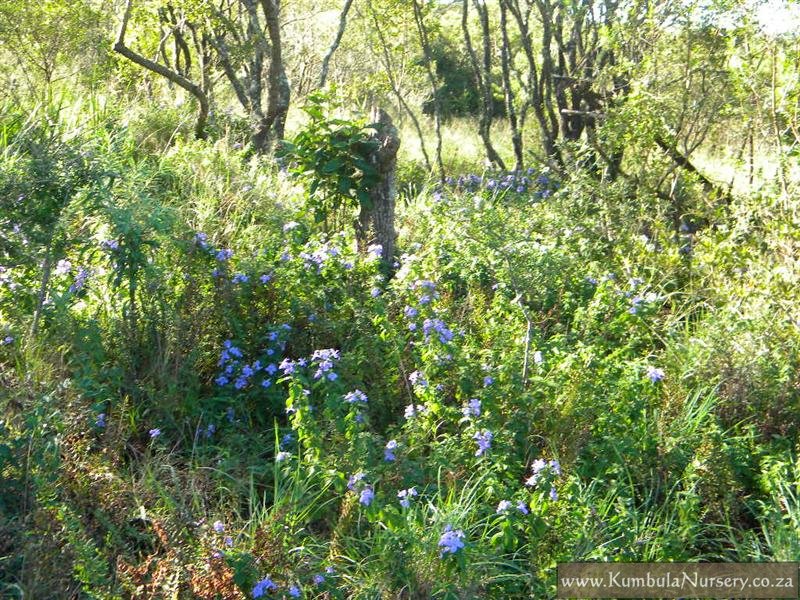
from the Eastern to KwaZulu-Natal, Mpumalanga, Limpopo, North West and Gauteng, on hills and along forest margins
|
| Planting Suggestions |
Barleria obtusa grows in a wide variety of soils. To ensure good drainage, add compost and mulch well to retain water. Although the bush violet is drought resistant, regular watering when possible will result in a spectacular show of colour. Nip off the growing tips during spring and the early part of summer to increase bushiness and flowers. After the shrub has flowered, cut back hard (see blog: http://kumbulanursery.co.za/blog/prune-hard-after-flowering), then prune or tip periodically to ensure neat, compact growth.
|
| Medicinal Uses |
|
| Ad Break |
|








Comments
BARLERIA ON LOFTINSTYLE WALL
I HAVE A LOFTENSTYLE WALL 2.5M IN HEIGHT STRAIGHT UP AND MY BARLERIA WAS
FINE FOR 2 YEARS, THEN CATIPILLARS STARTED EATING IT, WHICH I GOT RID OF
BUT NO I YEAR LATER EVEN THOUGH I WATER IT REGULARLY IT SEEMS TO BE DYING
OFF AND I HAVE TRIMMED IT WHEN IT NEEDED IT, BUT DO I HAVE TO CUT IT RIGHT BACK TO JUST ABOUT THE SOIL.I REALLY DO NOT WANT TO START AGAIN.
Pruning Barleria
Hi Maureen
I am afraid that there is little option but to cut back hard. It is the nature of Barleria to straggle and the stems do become woody and ugly within a season.
In many cases, the soil available in the hollows of Loffelstein walls is limited and soon stripped of nutrients. It may help to add some slow release, organic fertilizer pellets and a handful of rich compost to each hollow.
Also check for ant activity. They sometimes move into these walls for the warmth and security they provide. They don't attack the plants themselves, but their activity among the roots can have a very negative effect.
The one positive is that Barleria recover very quickly and will re-grow in one season. Pruning it back at this time will probably reduce flowering for the coming season but I would do it anyway. Next year, prune it soon after it has finished flowering - I like to do it before the seeds ripen. This will give the plants plenty of time to recover and grow before the next flowering season. It really is best to cut Barleria right back every year even if it means that for a couple of months they do not look like much.
Hope this helps.
Kind regards
Lorraine
Discuss this plant
Share knowledge, ask a question or give an experience.