

Calodendrum capense

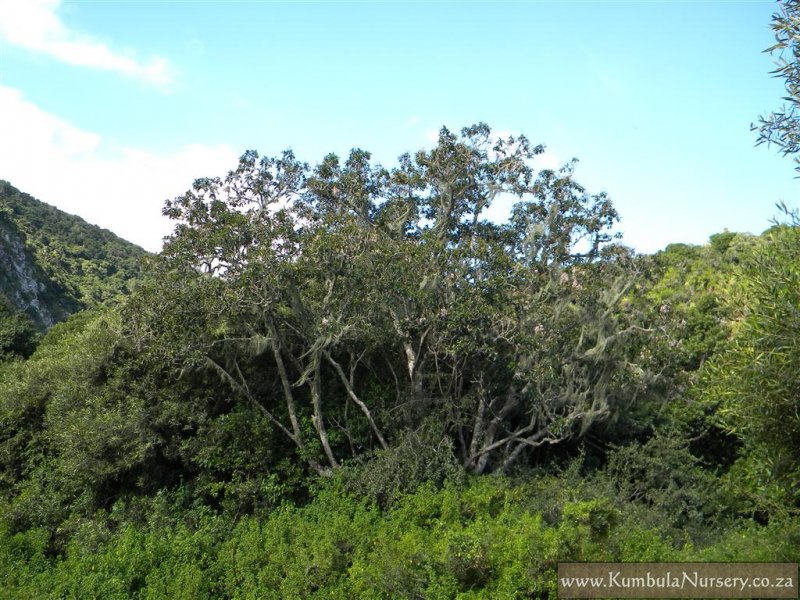
| Botanical Name | Calodendrum capense |
|||||||||||||||||||||
| Family | Rutaceae - The rue, buchu & citrus family. |
|||||||||||||||||||||
| Pronunciation | kal-oh-DEN-drum ka-PEN-see |
|||||||||||||||||||||
| Common Name(s) |
English: Cape Chestnut; Wild Chestnut
Afrikaans: Kaapse Kastaiing; Wildekastaiing
IsiXhosa: umBhaba; Umemezi; Umsitshana
IsiZulu: Umbaba; uMemezi omhlophe
Sesotho sa Leboa: Molalakgwedi; Mookêlêla
Tshivenda: Muvhaha
|
|||||||||||||||||||||
| Plant Group |
|
|||||||||||||||||||||
| Plant Size |
|
|||||||||||||||||||||
| Position |
|
|||||||||||||||||||||
| General Information |
|
|||||||||||||||||||||
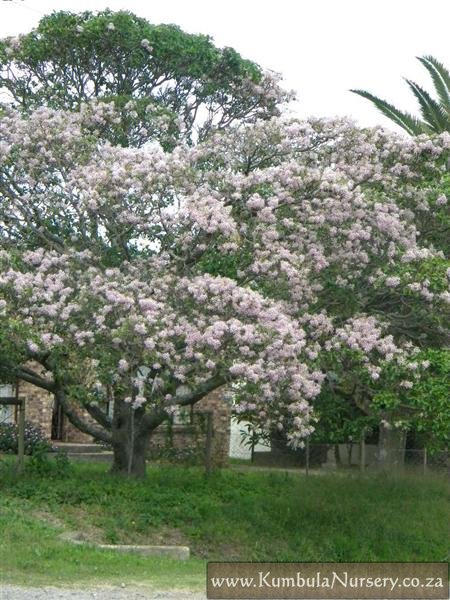
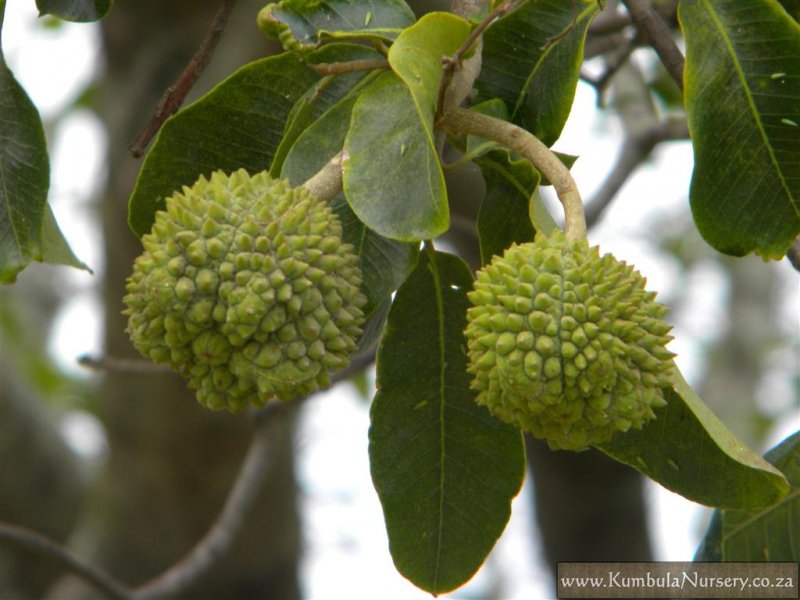
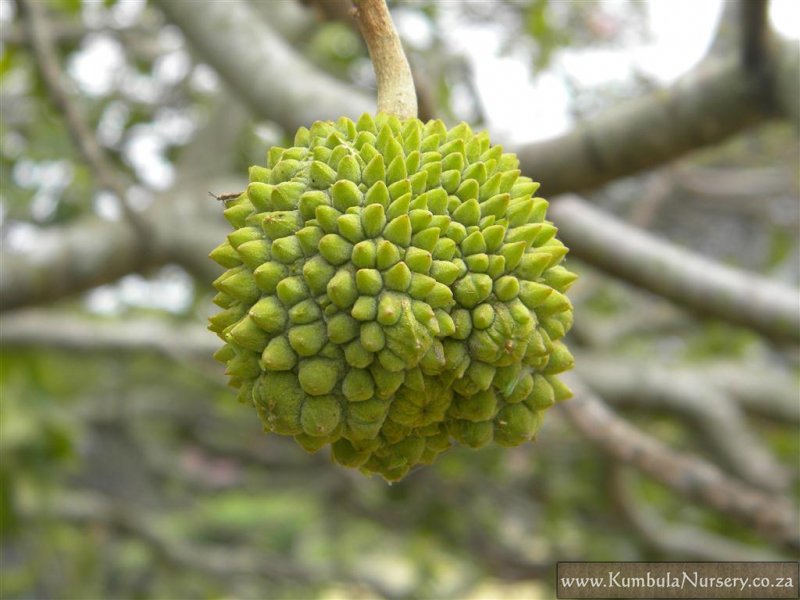
| Specific Information | Caledendron capense has a dense, spreading, rounded canopy when grown in open areas and remains much smaller than when growing in a forest. It is often evergreen close to the coast, but inland it is deciduous, the leaves becoming a lovely yellow in autumn. (In Bathurst, ten kilometers from the coast, it is deciduous, while specimens in Port Alfred are usually evergreen.) The Cape chestnut seldom flowers before it is 7 or 8 years old and does not always flower successfully when grown in a garden situation. The seeds pods are large, rounded and have a knobbly texture. |
|||||||||||||||||||||
| Ad Break | ||||||||||||||||||||||
| Flowers | ||||||||||||||||||||||
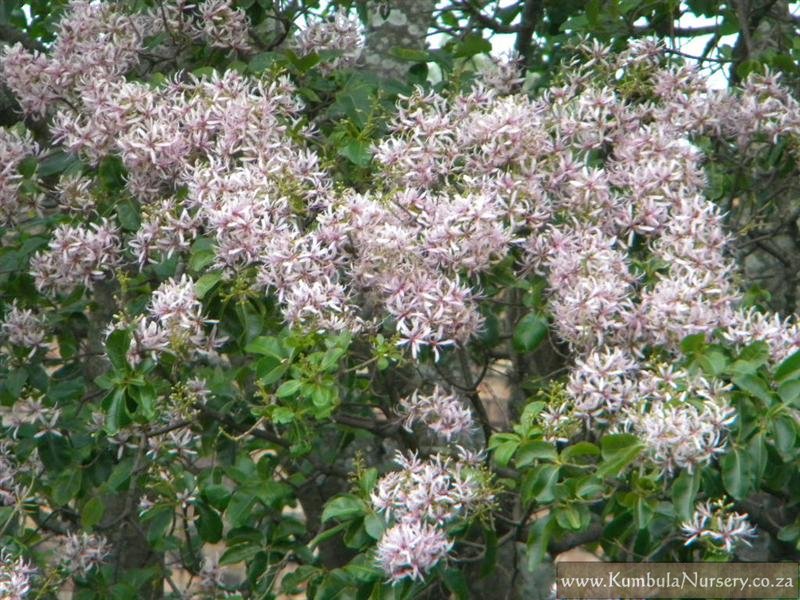
| Description | each flower has five long, pale pink petals with five sterile stamens, also pink but marked with purple to maroon |
|||||||||||||||||||||
| Season |
|
|||||||||||||||||||||
| Colour |
|
|||||||||||||||||||||
| Growth Rate |
|
|||||||||||||||||||||
| Plant Uses |
|
|||||||||||||||||||||
| Distribution and Habitat | from Swellendam in the Western Cape, through the Eastern Cape, KwaZulu-Natal, Mpumalanga, Swaziland, Gauteng, North West and Northern Province to Ethiopia, in forests, ravines, and less frequently in scrub and riverine bush |
|||||||||||||||||||||
| Planting Suggestions | Calodendrum capense needs a warm sunny position in fertile, well-composted soil with plenty of water during spring and summer. Protect the tree from strong, persistent winds so as to retain its rounded shape. Young plants need protection from frost, but once established should be able to survive to -7°C. Flowering is adversely affected by very cold weather. Under ideal conditions the Cape chestnut can grow up to a meter a year. The old method of digging a deep hole and filling it with soil and compost has resulted in many trees failing to thrive, dying, rotting at the base or worse still, falling over in later years due to poor root development. Refer to the following sites for the best method of planting trees: International Society of Arboriculture: New Tree Planting Tree People: Plant the right way For those of you who have a clay problem try: |
|||||||||||||||||||||
| Medicinal Uses | The bark is sold at traditional medicine markets for use in skin ointments. Oil, suitable for making soap, is extracted from the crushed and boiled seeds. The seeds are said to have magic properties, and Xhosa hunters tied them around their wrists to bring them good hunting. |
|||||||||||||||||||||
| Ad Break | ||||||||||||||||||||||




Comments
Calodendrum capense
Is this plant toxic to livestock - Sheep and cattle.
Calodendrum capense - toxicity
Hi Jenny
I have been able to find no references to this plant being toxic to livestock, nor have I ever heard any such reports. If a plant is toxic, one can usually find studies and warnings on the web. I would suggest it is safe but cannot guarantee this as I am not an expert.
Hope this helps.
Lorraine
Caodendrum Capense
Thank you. I have searched the net and found nothing also. It looks like I can safely plant this in Western Australia.
Many thanks
Jenny Staker
Calodendrum capense - Australia
Hi Jenny
I agree - I don't think there is any danger from them. They are so beautiful in full flower although it does take some years before they bloom.
Regards
Lorraine
cape chestnut
do cape chestnuts seek out sewage and water mains
Calodendrum capense: non-aggressive root system
Hi Jo
I think this would be most unlikely. According to the following two very reliable sources, the Cape Chestnut has a totally non-aggressive root system.
http://treeco-treeco.blogspot.com/2010/03/calodendrum-capense-cape-chest...
and
http://web.up.ac.za/default.asp?ipkCategoryID=19371&sub=1&parentid=18244...
Kind regards
Lorraine
Cape Chestnut
I am desperately looking to buy a Cape Chestnut tree in the Somerset west, Stellenbosch, Cape Town or Paarl area. I have tried various nurseries without luck.
Please help :)
Cape Chestnut search
Hi Kelly
As I avoid naming specific business/supplier information on the website, I have emailed my suggestions to you.
Kind regards
Lorraine
Cape Chestnut
Hi Kelly
Did you find one, I have a very young one that got top heavy and got hurt. I am looking for a more mature one if mine does not recover.
I will let you know where I found mine if you are still searching.
Cape Chestnut
I have a Cape Chestnut tree and it is just not growing and only has a few leaves.
What am I doing wrong or incorrectly. I have had the tree for 5 years.
Thanks Colleen
Cape chestnut not thriving
Hi Colleen
Without information about where you are situated, your soil quality, water supply and so on, I am unable make any suggestions.
Even though Cape chestnuts grow wild in the veld all around me, I have also had a problem growing this tree on my property. My two trees were over thirty years old but had never grown more than two to three metres tall, had few leaves and never flowered. I trimmed, fertilised, mulched and watered to no avail. My soil is a bit alkaline and this is the only reason I can think of as to why my plants did not thrive. After giving them a few more years to show some recovery I gave up and removed them.
Kind regards
Lorraine
Cape Chestnut suppliers
Hi
I am trying to find a reliable nursery that stock these in the Mosselbay Area.
Looking forward to your response.
Tree supplier
Hi Adriaan
Unfortunately I am unable to access nursery stock lists from the entire country. Phone your local nurseries. If they do not have the tree in stock, ask them to check if their wholesale stockists carry the plant and request the nursery to order that plant for you.
Kind regards
Lorraine
Cape Chestnut tree
I have searched for years to find a Cape Chestnut tree. At last my son surprised me and found one hidden somewhere in the backyard of a nursery. I would like to purchase more of these trees, please help me find a nursery somewhere in the Western Cape. I would also like to buy a true, or sweet chestnut tree as I remember a huge tree growing in the Franschoek district when I was a child in the early 1950's. There was a tea garden and my mother loved the place. While she sipped her tea, I gathered chestnuts under the amazing tree. The tree is still there, but the tea garden is long gone. I am going to ask my son to take me there to walk in my childhood footsteps. I am sure the new owner would not mind.
Cape Chestnut in the Western Cape
Hi Renee
I apologize most sincerely for not having replied to you sooner.
I so enjoyed reading your comment. I grew up with a true chestnut in our garden in Johannesburg in the late fifties. It was such a beautiful tree but the spines were forever getting into my feet.
For all the talk of 'going indigenous', it is amazingly difficult to purchase many of our lovely indigenous plants.
Here is one route you can use:
Contact New Plant Wholesale Indigenous Nursery at newplant.co.za. Ask them for a list of all the nurseries they supply in the Western Cape, check that they have Calodendrum capense in stock, and perhaps what sizes are available. As they are wholesalers they will not sell to you privately and they are not likely to quote prices either.
Next visit. phone or email the nurseries on your list and see if any one of them has the tree in stock, and if not, ask one of them to order it from Newplant for you.
I hope you are able to visit your chestnut tree - such pleasurable memories.
Kind regards
Lorraine
Discuss this plant
Share knowledge, ask a question or give an experience.