| Botanical Name |
|
| Family |
Crassulaceae - The crassula family. |
| Pronunciation |
|
| Common Name(s) |
English: Red leaved kalanchoe
Afrikaans: Rooiblaarplakkie
|
| Plant Group |
- Succulent A plant having fleshy stems or leaves often adapted to dry conditions.
|
| Plant Size |
- Medium to Large
| Tree | 15m to 20m |
| Shrub | 2m to 3m |
| Perennial/ground cover | 60cm to 75cm |
| Bulb | 60cm to 1m |
| Succulent | 60cm to 1m |
|
| Position |
- Sun The area is in full sun for all or most of the day, all year round.
|
| General Information |
- Drought Tolerance: High The plant is well adapted to arid conditions; it can survive long periods of drought and high temperatures without extra water.
- Evergreen Plants that have leaves all year round.
- Frost: Hardy The plant can withstand freezing temperatures or frost without artificial protection.
- Prune hard after flowering Fast growing shrubs that grow lanky within a season. Cut off branches and stems of these plants to a third of their original length. This will increase the yield of flowers, improve the plants shape and enhance the structural strength of main branches.
- Water Wise Plant species originating from low rainfall regions that require less water to survive and thrive than other plant species.
|
| Specific Information |
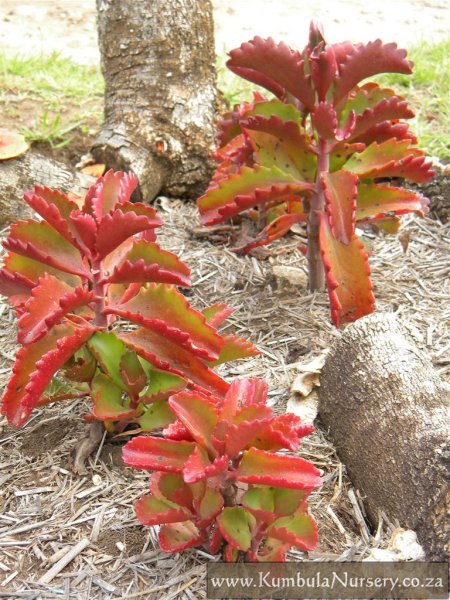
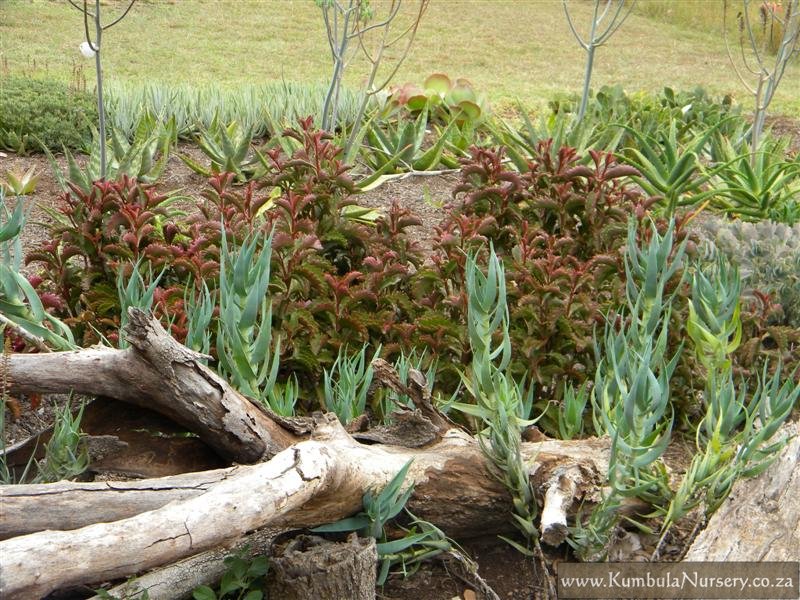
Kalanchoe sexangularis is a robust, erect succulent with attractive, broad green leaves that turn ruby- red in winter. The leaves are thick and heavy with irregularly lobed margins.Grown in a slightly shaded position, the leaves will be green with red edging. In full sun or cold weather the leaves turn an unusual dark wine red.
|
| Ad Break |
|
| Flowers |
| Description |
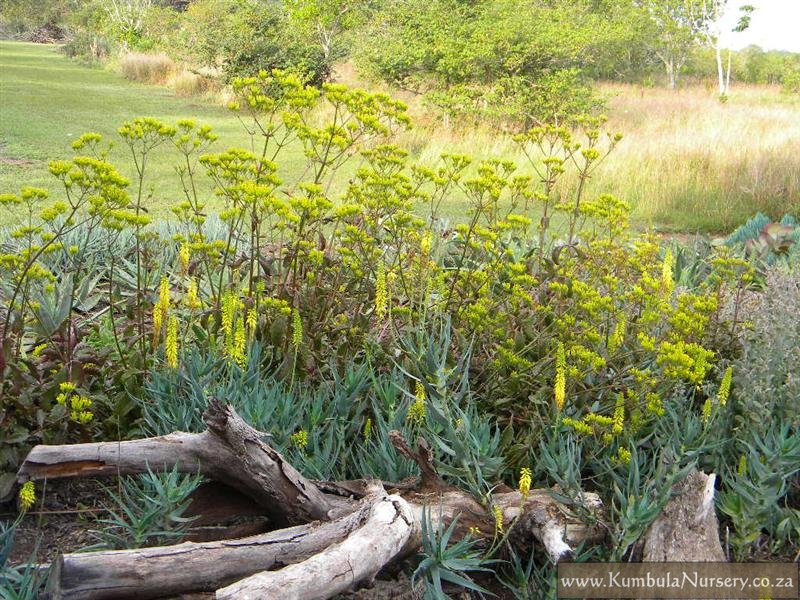
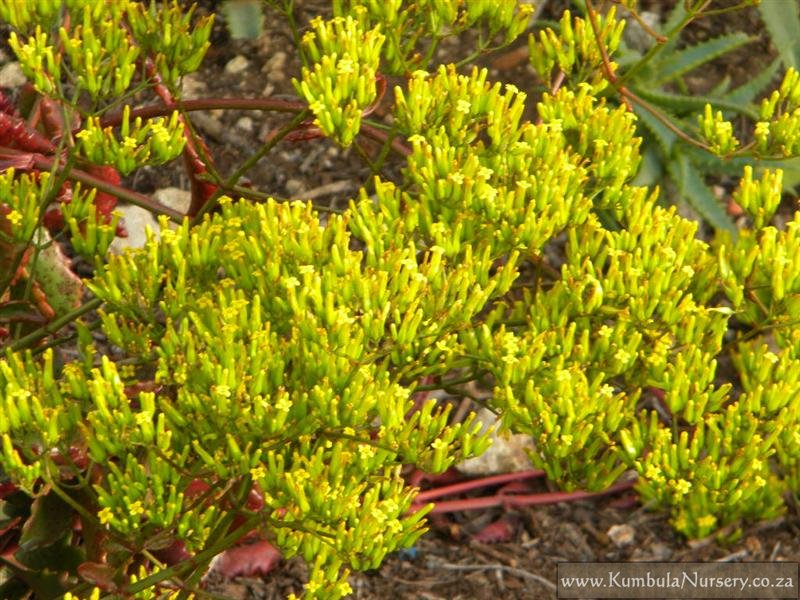
small, tubular flowers on tall branched stems in loose clusters
|
| Season |
- Winter to Spring Plants will seldom bloom for the entire season as given in the list, but should flower during a period within these parameters.
|
| Colour |
|
| Growth Rate |
- Fast Specifying growth rate can be very misleading as there is considerable variation of growth rate depending on type and species of plant, available water, supplementary feeding, mulching and general care, as well as the plants suitability and adaptability to the garden environment.
|
| Plant Uses |
- Attracts bees, butterflies or other insects This plant attracts insects which can be food for birds or other creatures in your garden.
- Border A strip of ground, at the edge of a driveway or path in which ornamental plants or shrubs are planted.
- Filler Either a fast growing tree or shrub used temporarily to fill in an area while the permanent plants grow to a desired size, or a plant used to fill gaps in borders or beds.
- Foliage Plant Plants grown because their foliage is colorful or unique. Many of these plants have insignificant flowers.
- Interplanting Arranging and planting plants in the garden that have different blooming times and habits of growth, extending the amount of time in which the area is in flower.
- Pioneer for new gardens A very fast growing plant, able to withstand hardship, that can be used to populate land that has recently been cleared of natural vegetation. These plants pave the way for slower-growing species by adding nutrients to the soil and creating leaf litter.
- Rock Garden An area constructed of larger rocks, arranged naturally, to emphasise the use of stones as a main element. Generally plants used do not need a lot of care.
- Suitable for coastal gardens Plants adapted to dry, sandy soil, forceful wind, limited rainfall and intense sunlight.
|
| Distribution and Habitat |
from North of Durban in KwaZulu-Natal, to Mpumalanga and Limpopo, as well as Swaziland, Mozambique and Zimbabwe, on rocky slopes or the semi-shade of trees or larger shrubs
|
| Planting Suggestions |
Plant in full sun in a dry position in well-drained soil. I mulch mine to conserve moisture and water them only if they become critically dry.
|
| Medicinal Uses |
|
| Ad Break |
|






Discuss this plant
Share knowledge, ask a question or give an experience.