

Pelargonium gibbosum
| Botanical Name | Pelargonium gibbosum |
|||||||||||
| Family | Geraniaceae - The geranium family. |
|||||||||||
| Pronunciation | pe-lar-GO-nee-um gib-OH-sum |
|||||||||||
| Common Name(s) |
English: Gouty pelargonium; Arthritic pelargonium
|
|||||||||||
| Plant Group |
|
|||||||||||
| Plant Size |
|
|||||||||||
| Position |
|
|||||||||||
| General Information |
|
|||||||||||
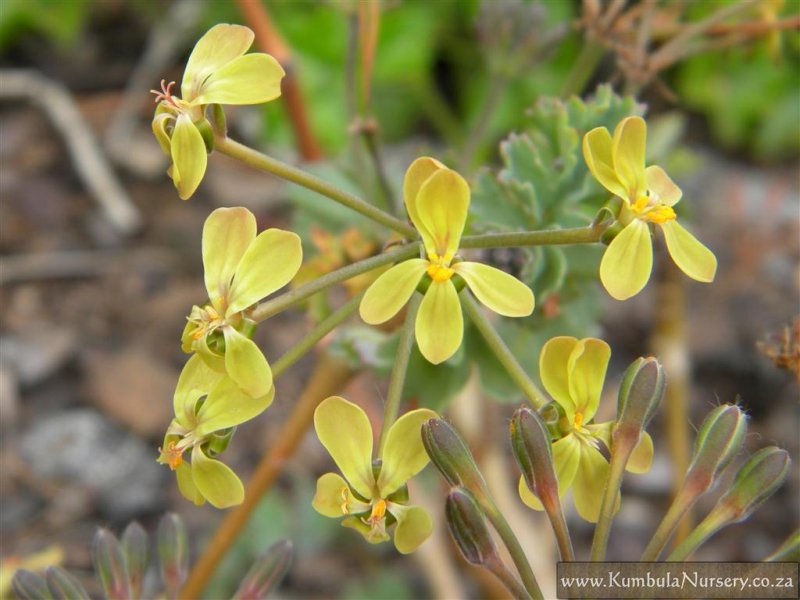
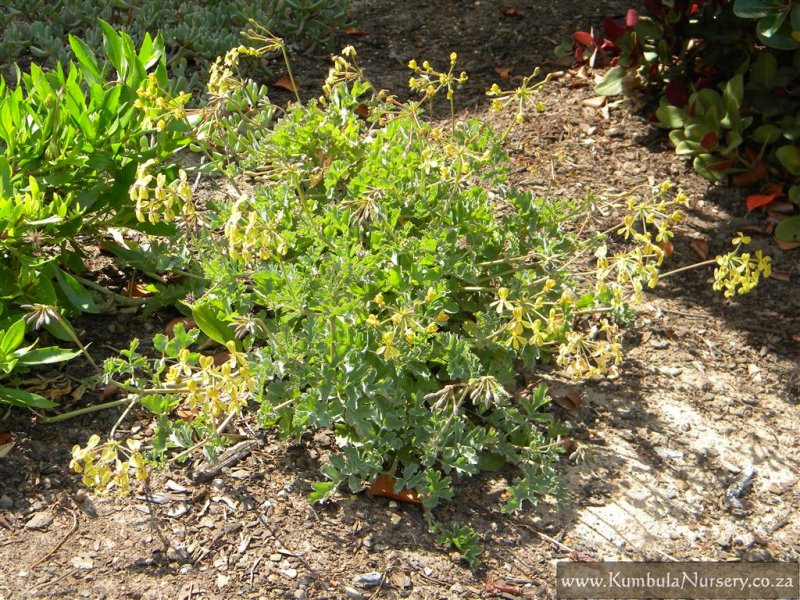
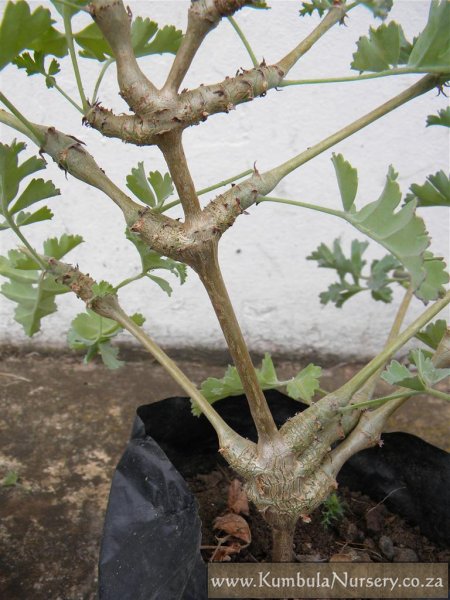
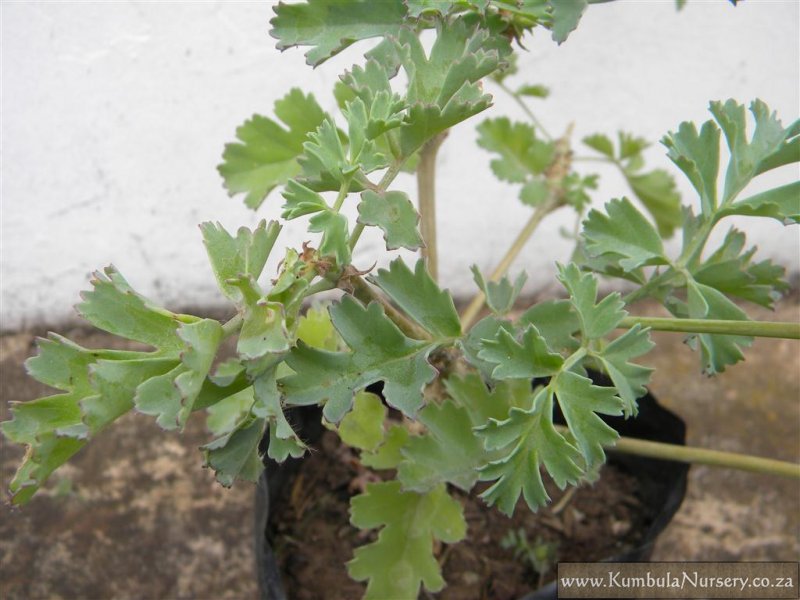
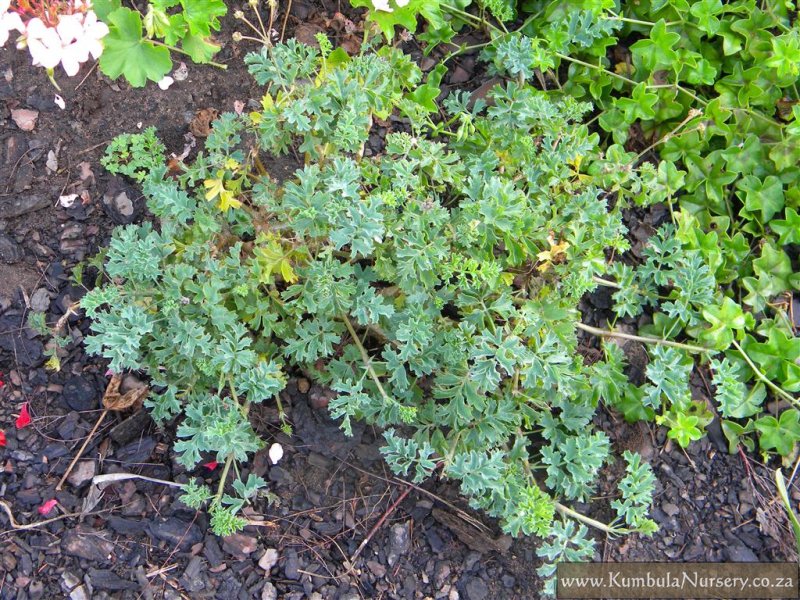
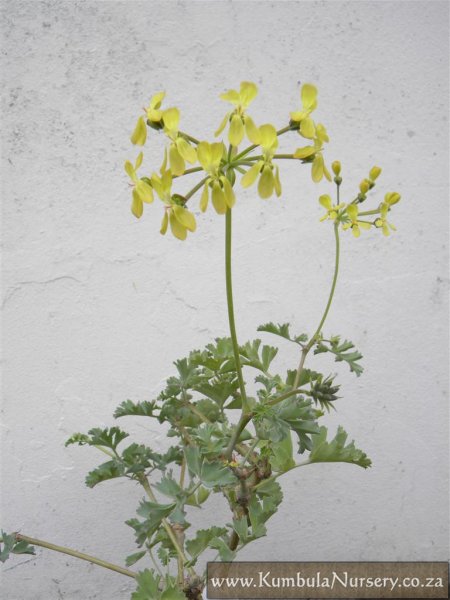
| Specific Information | Called 'gouty pelargonium' because of its swollen joints or nodes, Pelargonium gibbosum is one of the few yellow pelargoniums. This is definitely one for collectors of caudiciforms and succulent pelargoniums.The deeply toothed, blue-green leaves are semi-succulent.The plant is usually dormant in summer, the plants being much more compact and dense if they are allowed their normal dormancy. In the right position Pelargonium gibbosum forms a thick mound 30-60cm high, and with time will develop a caudiciform base, the plant spreading to over a meter across. They will tolerate light frost if protected. The flowers in the above pictures were taken while the plant was still fresh from the nursery where it was lightly shaded and watered. Once planted out in full sun with less water, the next flowers were, as well-described by another author, chartreuse-sulfur yellow. This is the more natural colour. (Will add photos when available) |
|||||||||||
| Ad Break | ||||||||||||
| Flowers | ||||||||||||
| Description | clusters of pelargonium flowers at the end of fairly long stems, strongly scented at night |
|||||||||||
| Season |
|
|||||||||||
| Colour |
|
|||||||||||
| Growth Rate |
|
|||||||||||
| Plant Uses |
|
|||||||||||
| Distribution and Habitat | along the western coast of the Western Province of South Africa, from the Richtersveld to the Cape Peninsula (winter rainfall area), in sandy and rocky places |
|||||||||||
| Planting Suggestions | Pelargonium gibbosum is normally dormant in summer but will grow year round if moderately watered. Their time of maximum growth is autumn to winter, during their natural rainy season. They do best in the ground or a large pot where they can really spread their roots. They need very well drained loam or sandy soil. A little compost and a thin layer of mulch around and below, but not against, the stems can be applied if the soil is very depleted. |
|||||||||||
| Medicinal Uses | No data found. |
|||||||||||
| Ad Break | ||||||||||||




Comments
P. Gibbosum
Hello I am trying to confirm if gibbosum is a species pelargonium?
I attach photos taken today, I live in the south of the UK. We are having a very mild Autumn, so far. I grow pelargoniums in a greenhouse, which is kept at 5 degrees in winter.
Pelargonium gibbosum
Hi Elaine
Apologies for the tardy reply.
Yes, Pelargonium gibbosum is a species of pelargonium. It is an exceptionally tough plant that grows best with very little water and lots of sun. Too much shade and water cause very leggy growth and even rotting.
Kind regards
Lorraine
Pelargonium Gibbosum propagation
My pelargonium gibbosum has grown very leggy and I was wondering whether I could cut the stem into pieces and propagate the cuttings in water. This is the first year I have grown this so have no experience of this plant. I live in London and at the moment the weather is mild enough for it to be outside on the windowsill. Thanks for any advice.
Pelargonium Gibbosum propagation
Hi Jill
Mine also grow very leggy - even though they are in hot sun with very little water. I think it is just their nature.
I have never had much success or patience with water propagation of pelargonium - I just pop the cuttings straight into the ground and they root in no time.
My instincts with Pelargonium Gibbosum tell me that the water method may not be the best one. This plant originates from a winter rainfall area where summers are very dry. I just get the feeling that the thickened stems may be prone to rotting. Perhaps experiment with a couple in water and a couple planted in the pot with your mother plant. That way you can cover both bases.
I will assume you have experience in making cuttings, but if not google a bit first for information.
You could also layer the joints - I have seen my plants do this naturally in the garden.
Hope this helps and good luck with your propagating - whichever way you choose to go.
Kind regards
Lorraine
Discuss this plant
Share knowledge, ask a question or give an experience.